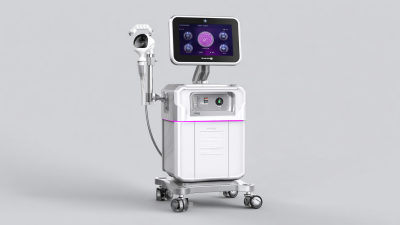
Lately, there's been a real boost in demand for cutting-edge tech in the beauty world. Dr. Emily Chen over at Nova Laser Solutions, who’s pretty much an industry expert, says, "The Pico Laser Machine totally changes the way we handle skin treatment sessions." This device is pretty impressive—it's able to target and fix a bunch of skin issues, which is honestly transforming the whole scene of aesthetic procedures.
Looking ahead to 2026, it’s clear that buyers around the globe are hunting for the best Pico Laser Machines out there. These machines use picosecond tech to do everything from removing tattoos to giving skin a fresh glow. They’re precise and efficient, tackling the common worries most clients come in with. But, let’s be honest, finding the right machine isn’t always a walk in the park.
The industry keeps changing, and so do what customers expect. Sure, lots of companies hype up their products, but not all actually deliver on reliability or effectiveness. If you’re thinking about investing, it’s worth doing your homework—read reviews, check out certifications, and look into the manufacturer’s reputation. Picking a good Picosecond Laser Tattoo Removal Pico Laser isn’t just a tech decision, it’s a big deal for your business and your clients’ satisfaction.
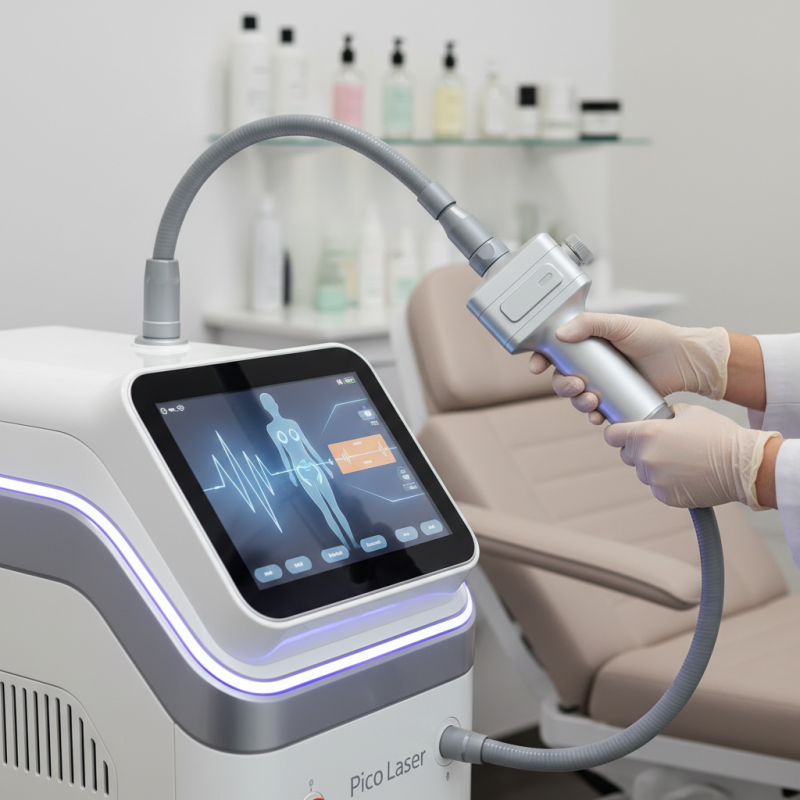
Pico laser technology has transformed dermatology and aesthetic treatments. This cutting-edge technology utilizes ultra-short pulses of energy, typically in the nanosecond range. In recent years, studies indicate a growing demand for these devices globally. According to the latest market research, the pico laser market is projected to reach $300 million by 2026, reflecting a robust annual growth rate.
Pico lasers are versatile and effective for various skin conditions. They are widely used for tattoo removal, pigmentation treatment, and skin rejuvenation. Clinical trials show that pico lasers can significantly reduce melasma and acne scars. A 2022 study published in a reputed dermatology journal reported that 90% of patients noticed improvement in skin texture after just a few sessions. However, it’s crucial to acknowledge potential side effects. Some patients experience post-inflammatory hyperpigmentation, requiring careful consideration before treatment.
Despite their benefits, not all pico lasers deliver the same results. Variability exists in treatment outcomes based on the operator’s expertise and the device's specifications. A survey of industry professionals revealed that 30% are concerned about inconsistent results. This calls for further research and discussion on best practices and training for operators. The technology promises great potential, but practitioners must remain vigilant regarding its limitations.
When selecting a pico laser machine, understanding the core features is vital. One key aspect is the wavelength. Different wavelengths target various skin conditions. For instance, a shorter wavelength is effective for pigmented lesions, while longer wavelengths work better on vascular issues. Consider the versatility of the machine. Can it address multiple skin concerns? Look for machines offering various settings.
Quality of energy output is another critical factor. Reliable machines provide consistent energy delivery, crucial for effective treatments. A lack of uniformity can lead to unsatisfactory results. Cooling systems also play a role. Efficient cooling enhances patient comfort, allowing for longer treatment sessions without discomfort.
User-friendly interfaces make a difference too. The complexity of navigation can affect treatment efficiency. Machines that offer intuitive controls are preferable. Check for maintenance requirements as well. Regular upkeep is essential for longevity and performance. However, it can be resource-intensive, which might not suit every buyer. Consider these details carefully. They will impact both user experience and treatment outcomes.
| Model | Wavelength (nm) | Pulse Duration (ns) | Energy Output (mJ) | Weight (kg) | Cooling System | Price Range (USD) |
|---|---|---|---|---|---|---|
| Model A | 1064 | 450 | 600 | 25 | Air Cooling | $25,000 - $30,000 |
| Model B | 532 | 300 | 500 | 20 | Water Cooling | $20,000 - $28,000 |
| Model C | 755 | 200 | 400 | 15 | Cryogen Cooling | $22,000 - $26,000 |
| Model D | 1064 | 500 | 650 | 30 | Air + Water Cooling | $30,000 - $35,000 |
| Model E | 532 | 100 | 350 | 18 | Natural Cooling | $18,000 - $24,000 |
In 2026, the demand for pico laser machines continues to rise. This trend is driven by advancements in aesthetics and dermatology. The market is projected to grow significantly, with a CAGR of over 15% between 2021 and 2026. Buyers are keen to explore machines that offer precision and efficiency. The industry is experiencing an influx of new brands and manufacturers, each aiming to establish itself as a leader.
Several key players are focused on enhancing technology for better results. For instance, devices utilizing China Picosecond Laser Tattoo Removal Pico Laser technology present notable advancements in pigment removal. This method reduces treatment time and improves patient satisfaction. Data indicates that treatments using this technology can result in a 90% reduction in unwanted tattoos within significantly fewer sessions than traditional methods.
However, the proliferation of manufacturers also raises concerns about quality and safety. Some machines entering the market may lack rigorous testing or regulatory approval. As a result, buyers must conduct thorough research. They should verify certifications and consult reliable sources before making a purchase. Industry reports suggest that those who prioritize quality over cost are more likely to achieve satisfactory outcomes and maintain a positive reputation within their practice.
As the aesthetic industry advances, the demand for efficient technologies like the Pico Laser grows. Recent studies indicate that these lasers significantly enhance treatment outcomes. Specifically, the data shows that the efficacy of pico lasers can reduce pigment lesions by up to 80% in just three sessions. This efficiency is impressive compared to traditional lasers, which often require more treatments.
When evaluating Pico Laser performance, several factors come into play. Pulse duration and energy output are crucial. Research highlights that shorter pulse durations lead to better results, especially in sensitive skin areas. Also, the integration of advanced cooling systems can enhance patient comfort and minimize downtime. Many practitioners now prefer OEM Picosecond Laser Tattoo Removal Pico Laser systems for their proven reliability and effectiveness in various applications.
Tips: Always look for clinical studies backing a laser's efficacy before investing in technology. Understanding your specific treatment goals is vital. Continuous training for practitioners will ensure optimal outcomes and safety for patients. Remember, not all pico lasers are created equal; ongoing evaluation and feedback are essential in refining treatment protocols.
User reviews and case studies highlight the success of pico lasers in various applications. Many users report significant improvements in skin conditions like pigmentation and acne scars. The fast, non-invasive nature of treatments appeals to clients seeking quick results with minimal downtime. A client shared their experience of using a pico laser for tattoo removal. They were amazed by the efficiency and comfort level during sessions. This feedback demonstrates how effective the Custom Picosecond Laser Tattoo Removal Pico Laser can be when applied correctly.
Another case study involved treating melasma, a prevalent skin condition. In this instance, the patient underwent a series of pico laser treatments. They noted a gradual but noticeable reduction in dark patches. However, some reflected on their initial skepticism about laser therapies. It required patience and multiple sessions to achieve optimal results. This indicates the importance of managing client expectations and understanding that perfection takes time.
Despite the impressive results, challenges remain. A few users mentioned the need for a trained professional to operate the technology effectively. Misuse can lead to subpar results and potential skin irritation. Overall, shared experiences with pico lasers underline the blend of innovation and realism in aesthetic treatments. Each success story is a reminder of the technology's potential and the journey involved in achieving beautiful skin.
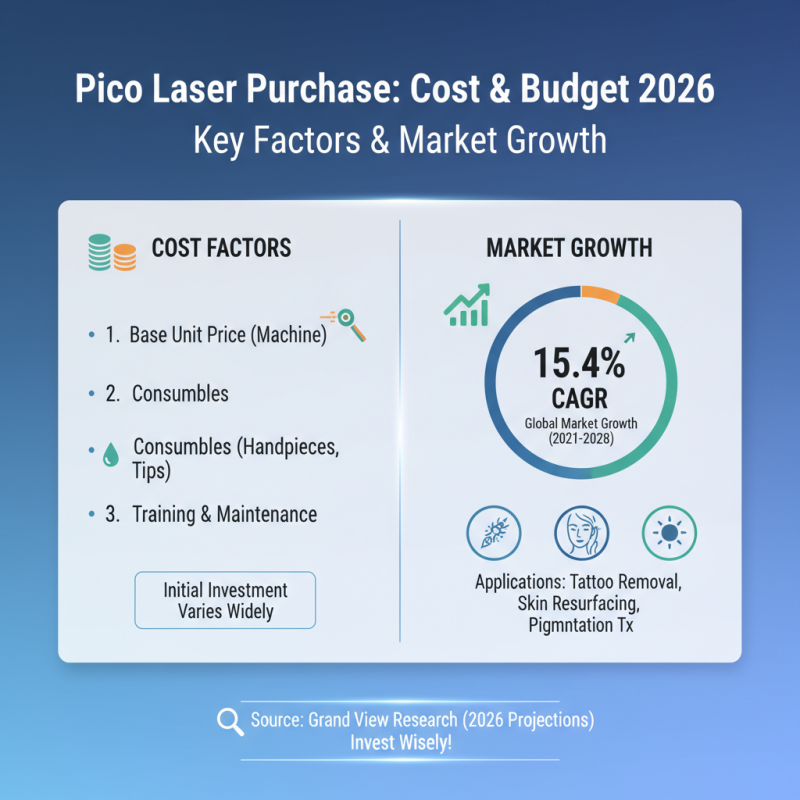
When considering the purchase of a pico laser machine in 2026, budget factors play a crucial role. The industry report by Grand View Research indicates that the global pico laser market is projected to grow at a compound annual growth rate (CAGR) of 15.4% from 2021 to 2028. This growth reflects increasing demand across various applications such as tattoo removal, skin resurfacing, and pigmentation treatments. Consequently, understanding the cost implications is vital for buyers aiming to invest wisely.
Prices for pico lasers can vary significantly. Entry-level machines may cost around $30,000, while high-end models can exceed $100,000. Factors including technology, features, and warranty impact these prices. For instance, advanced technologies like fractional laser capabilities tend to increase costs. It's also important to factor in ongoing expenses, such as maintenance and supplies. Consulting with industry experts can provide insights into potential pitfalls, highlighting that lower upfront costs may lead to higher long-term expenses. Budgeting wisely ensures not only the purchase of equipment but also sustains operation and service quality over time.
The field of laser technology is evolving rapidly. Pico lasers have become a popular choice for their effectiveness. Future trends indicate even more precise applications. As global buyers seek reliable solutions, the demand for Pico lasers will likely increase. The focus will shift to machines that offer greater efficiency. Expect innovations that improve the quality of treatments in various dermatological applications.
Market predictions suggest a growing interest in Wholesale Picosecond Laser Tattoo Removal Pico Laser devices. Skin rejuvenation and hyperpigmentation treatment could see advancements. Users will look for machines that provide minimal downtime. However, the challenge lies in the availability of trained professionals. Not all practitioners have the expertise required for optimal results. Some might face difficulty in selecting the right device.
Experts predict customized solutions will emerge in response to market needs. As technology progresses, incorporating user feedback will be crucial. Every advancement may not address all concerns. Continual reflection on outcomes is necessary for improvement. The industry's future relies on adaptability and a commitment to quality.
: Advancements in aesthetics and dermatology significantly drive the demand for pico laser machines.
The market is projected to grow at a CAGR of over 15%.
Common uses include tattoo removal, skin resurfacing, and pigmentation treatments.
Buyers must verify certifications and consult reliable sources to ensure quality and safety.
Users often report significant improvements with minimal downtime and high satisfaction.
Yes, quality and safety concerns arise from machines lacking rigorous testing or approval.
Costs can range from $30,000 to over $100,000, impacting investment decisions.
Trained professionals are essential to achieve effective results and avoid potential skin issues.
Clients may need patience for optimal results, with some reflecting on initial skepticism.
Ongoing expenses for maintenance and supplies should be factored into the overall budget.
The article titled "2026 Best Pico Laser Machine for Global Buyers" provides an insightful overview of pico laser technology, highlighting its diverse applications across various fields, particularly in skin treatments and cosmetic procedures. It emphasizes key features that buyers should consider, such as wavelength, pulse duration, and cooling mechanisms, to ensure optimal performance and user safety.
A comparative analysis of different pico laser machines showcases their performance and efficiency, while user reviews and case studies present real-life success stories, illustrating the effectiveness of these devices. The article also discusses the cost factors and budget considerations crucial for potential buyers. Finally, it explores future trends in pico laser technology, predicting advancements that may redefine market expectations and user experiences in the years to come.