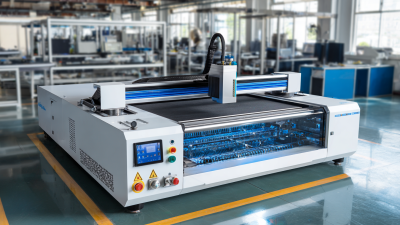
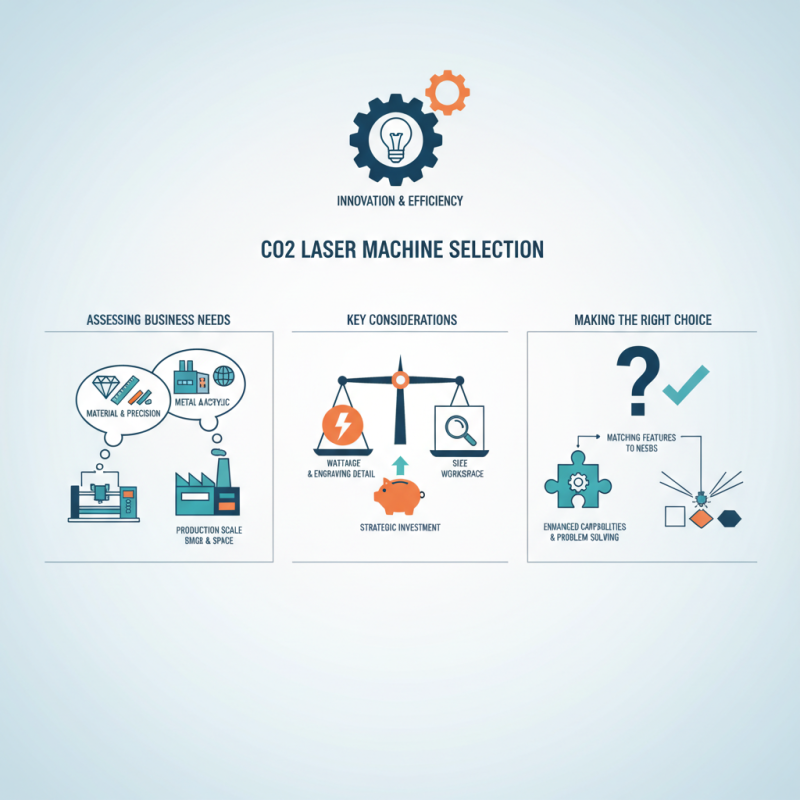
Navigating the world of manufacturing technology can feel overwhelming, especially when you're trying to pick the right Co2 Laser Machine. I remember Dr. Emily Carter from LaserTech Innovations once saying, "The right Co2 Laser Machine can truly transform how you do things in your shop." That really hits home, doesn’t it? It just shows how crucial it is to thoroughly understand what your business needs before jumping into a purchase.
Choosing a Co2 Laser Machine isn’t just about picking a shiny new gadget; there are a lot of things to think about. For example, what kind of materials are you working with? Are you running a small operation or a big one? If you’re into fine, detailed engraving, a machine with more wattage might be the way to go. On the other hand, if space is tight, then a smaller, more compact model could be your best bet.
Investing in one of these machines is a pretty big deal—it’s more than just money, it’s about making your workflow smoother and more efficient. But, honestly, it can get pretty confusing trying to find the perfect match. Sometimes, folks overlook key features just because they’re overwhelmed or rushing. To avoid that, it’s smart to really think about what you actually need. Ask yourself what challenges you’re facing and how a Co2 Laser Resurfacing Machine might solve those issues. Taking a moment to reflect like that can save you a lot of hassle down the line.
Understanding the Basics of CO2 Laser Machines for Businesses
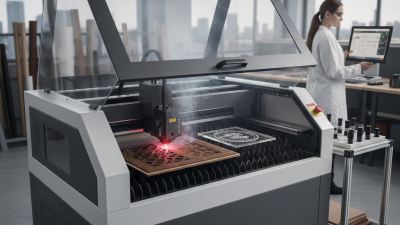
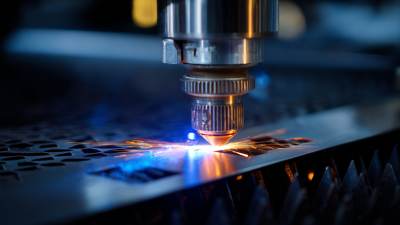
CO2 laser machines have revolutionized many industries, from manufacturing to cosmetic procedures. Understanding their functionality is crucial for businesses exploring this technology. A CO2 laser works by emitting a focused beam of light that can cut, engrave, or resurface materials. This versatility is beneficial for various applications. For instance, a Co2 Laser Skin Resurfacing Machine can improve skin texture and reduce scars in cosmetic practices.
When considering a CO2 laser machine, it's essential to assess specific business needs. Factors such as power, beam quality, and the materials to be processed matter greatly. Skilled operators are necessary to leverage the machine's full potential. It's important to acknowledge potential challenges as well. Proper training is vital to avoid mishaps. Maintenance routines can be burdensome and unpredictable.
Moreover, businesses must consider initial costs alongside operational expenses. A well-informed decision requires weighing these factors carefully. Strong expertise in laser technology enhances a company’s credibility and builds customer trust. Regular updates on advancements in laser technology can further refine business strategies.
Key Features to Look for in a CO2 Laser Machine
When selecting a Co2 Laser Machine for your business, it’s crucial to focus on key features that enhance functionality. A high-quality laser tube is essential. The tube's lifespan will directly impact your running costs. Typically, CO2 laser machines come with either glass or metal tubes. Metal tubes tend to last longer but may require a higher initial investment.
You should also consider the machine’s wattage. Higher wattage offers faster cutting and engraving, which can improve productivity. However, it’s important to balance wattage with the materials you use. Not all projects require maximum power. For delicate items, lower wattage is more suitable.
**Tips:** Look for a CO2 laser machine that has adjustable speed and power settings. This flexibility allows more precision in different applications. Additionally, pay attention to the software compatibility. A user-friendly design can significantly streamline your workflow. Always read customer reviews to gauge reliability and support. This insight can prove invaluable. It’s worth reflecting on features that align with your specific needs, as not all machines will be perfect for every project.
Comparison of CO2 Laser Machines and Their Applications
CO2 laser machines are versatile tools in various industries. They are used in engraving, cutting, and marking materials like wood, acrylic, glass, and fabric. Each application requires different specifications, impacting your choice of machine.
When comparing CO2 laser machines, consider factors like power, size, and speed. Higher wattage models cut through thicker materials more efficiently, while lower wattage options may suit lighter tasks. For businesses focused on intricate designs, speed and accuracy are crucial. A machine’s bed size can limit or enhance your project possibilities.
While exploring options, reflect on your business’s specific needs. Larger machines take up more space but offer greater capacity for projects. Smaller models are easier to handle but may restrict material size. Balancing these factors is essential for making the right investment. Always evaluate how each machine aligns with your business goals and project demands.
Evaluating Cost vs. Quality in CO2 Laser Machines
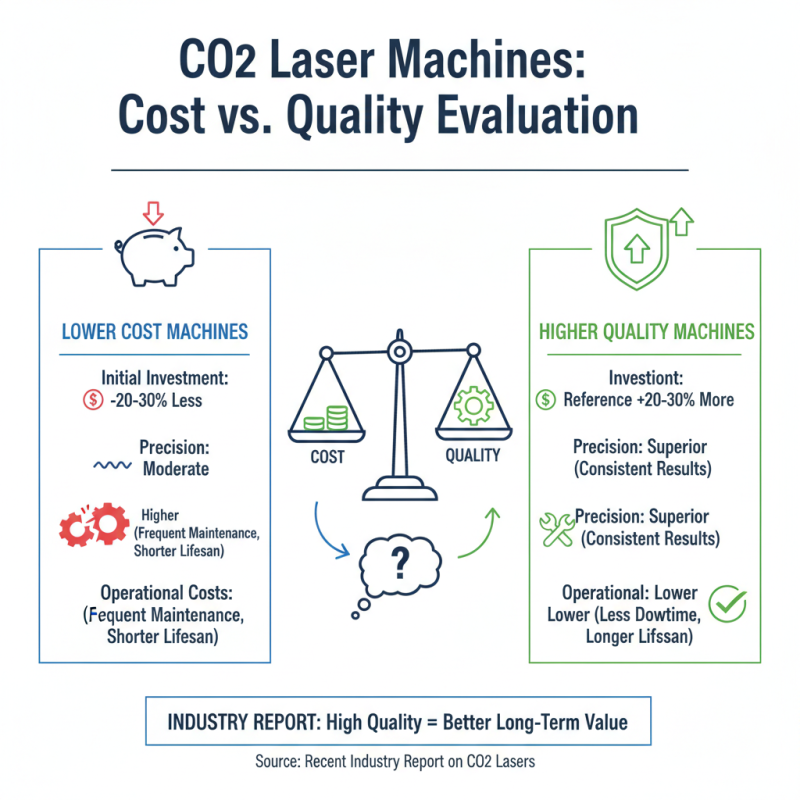
When considering a CO2 laser machine for your business, evaluating cost versus quality is crucial. Many businesses struggle with the initial investment versus long-term benefits. According to a recent industry report, high-quality CO2 laser machines may cost 20-30% more upfront but tend to deliver better precision and reduced operational costs over time.
Owning a reliable Co2 Fractional Laser Machine can significantly boost productivity. Studies show that machines with higher quality components require less maintenance. This translates into fewer operational disruptions. However, lower-priced options might lead to higher costs over time due to frequent repairs.
**Tip:** Invest time in researching machine specifications and user reviews. Quality often outweighs the lower purchase price.
Another important aspect is the machine's versatility. A good CO2 laser machine should handle a variety of materials, such as wood, glass, and acrylic. Lower-cost models might limit your options. This restriction can hinder growth opportunities.
**Tip:** Consider future applications when selecting a model. A versatile machine can open new doors for your business.
Reflecting on your needs can guide you in making a wise investment. Balancing cost and quality will ensure you have a machine that meets your business goals.
Industry Standards and Certifications for CO2 Laser Equipment
When selecting a CO2 laser machine, understanding industry standards is essential. Certifications ensure that equipment meets safety and performance benchmarks. This is vital for reliability. Equipment producing high-quality output without compromising operator safety is a priority.
The Fractional Co2 Laser Machine is an excellent example. It should comply with rigorous standards like ISO and CE. These certifications indicate that the machine has been tested for precision and safety. However, finding a machine that meets all industry requirements can be challenging. Some products may lack adequate documentation or proven performance histories.
It's crucial to verify the credentials of your supplier. They should provide clear documentation on safety and compliance. Machine specifications must align with your operational needs. Suppliers may claim high performance, but not all can back it up. Engaging with professionals can help navigate these complexities. It's also worth considering user feedback. This can reveal potential issues or limitations that aren't always apparent in the specifications.
Maintenance Tips for Optimal Performance of CO2 Lasers
Maintaining your CO2 laser is crucial for optimal performance. Regularly inspect the optics for dust and debris. A clean lens can make a significant difference in cutting quality. Use soft, lint-free cloths to avoid scratches. Even a small particle can affect your project results.
It's important to check the alignment of the laser beam. Misalignment can lead to uneven cuts and increased wear on your machine. Adjustments should be made carefully, as improper handling can cause damage. Document any changes you make for future reference. This practice enhances your understanding and helps in troubleshooting later.
Cooling systems also require attention. Ensure that water levels are adequate and that the coolant is free of contaminants. Overheating can cause irreversible damage to the laser tube. Implement routine checks to ensure everything is functioning well. A small oversight in maintenance can lead to bigger issues, affecting productivity in your business.
CO2 Laser Machine Performance Comparison
Future Trends in CO2 Laser Technology for Businesses
CO2 laser technology is evolving rapidly, impacting various industries. Businesses are adapting to these advancements to enhance their production capabilities. One notable trend is the integration of AI into CO2 laser systems. This allows for smarter, more efficient operations. The automation of processes can lead to significant time savings.
Another emerging trend is the focus on sustainability. Companies are exploring eco-friendly materials and techniques. This shift not only reduces waste but also appeals to consumers who prioritize environmental responsibility. However, these innovations come with challenges. Businesses must invest in training and infrastructure to keep up.
Additionally, customization is becoming crucial. Clients expect tailored solutions to their unique demands. CO2 laser machines capable of rapid adjustment and flexibility will likely lead the market. As the technology matures, businesses must remain agile. Continuous learning and adaptability will be vital for success in this dynamic landscape.
Conclusion
In the quest to find the Best Co2 Laser Machine for business needs, it is essential to understand the fundamentals of these powerful tools. A CO2 laser machine operates by using a carbon dioxide gas mixture to produce a highly focused beam of light, capable of cutting, engraving, and marking a variety of materials. Key features to consider include power settings, bed size, and software compatibility to ensure the machine aligns with specific applications.
Cost versus quality is a crucial aspect to evaluate, as investing in a reliable machine can offer long-term benefits despite a higher upfront cost. Additionally, understanding industry standards and certifications can guide businesses toward safer and more efficient equipment. Regular maintenance is vital for optimal performance, while staying informed about future trends in CO2 laser technology can help businesses leverage advancements for enhanced productivity and innovation.