Lately, the Diode Laser Stack has really started to make waves across different industries. Experts say it’s super efficient and pretty adaptable – and honestly, Dr. Emily Chen from LaserTech Innovations even mentioned that people often underestimate just how much potential these stacks have. I mean, it’s like they’re hiding in plain sight!
The cool thing is, the uses for Diode Laser Stacks are pretty diverse. You’ll find them playing a crucial role in medical gadgets, material processing, and even telecom stuff. They basically bring precision, dependability, and tend to cut down on operating costs. That said, a lot of users do hit some bumps—like getting it all dialed in correctly can be tricky, and there’s definitely a bit of a learning curve when it comes to integrating them properly.
A bunch of companies are also out there trying to come up with new designs for these stacks. There’s a real ongoing push for innovation and better solutions. Of course, figuring out what you specifically need and dealing with the challenges can be pretty complex. But honestly? That complexity can lead to better efficiency and awesome results in the end.
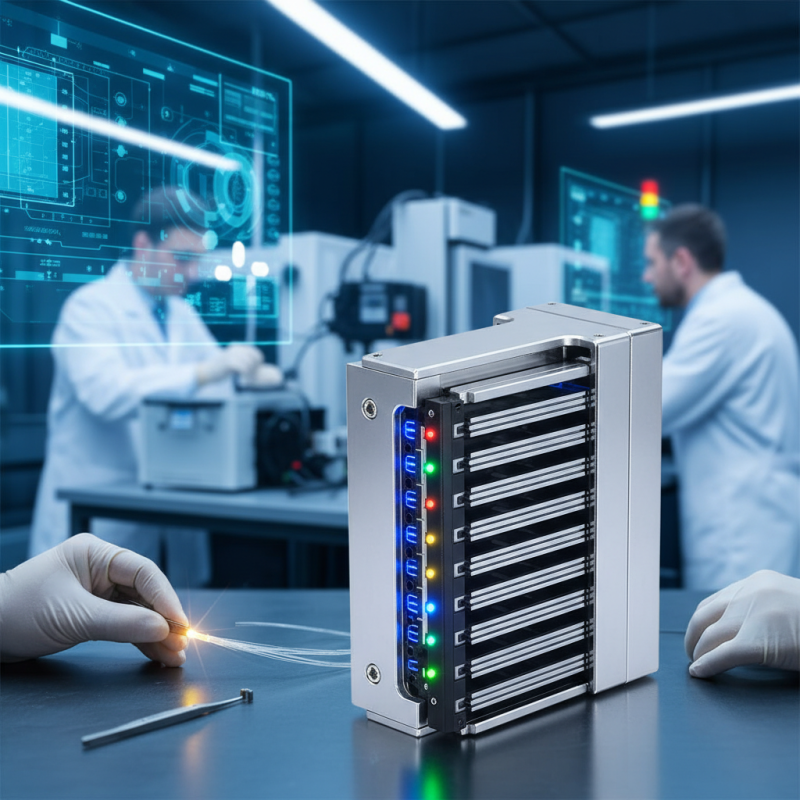
Diode laser stack technology represents a significant advancement in laser applications. These stacks consist of multiple diode laser bars combined to enhance power output. This design allows for efficient heat dissipation and better beam quality. Users in various fields have noted visible improvements in performance. With applications in hair removal, diode laser bars stack systems have become increasingly popular for their effectiveness.
One notable benefit is the compact size of diode lasers. This feature allows ease of integration into different devices. Despite their small footprint, these systems can deliver high energy, making them suitable for demanding tasks. For instance, Hair Removal Diode Laser Bars Stack systems provide effective treatment options, leading to satisfying results for users. Yet, they also pose certain challenges that require consideration.
Thermal management remains a point of concern. Effective cooling systems are crucial in ensuring longevity. Users must constantly assess system performance to avoid overheating issues. While diode stacks present innovative technologies, reliance on them necessitates a commitment to maintenance. As users embrace these advancements, it is essential to recognize the areas needing improvement. Balancing innovation with practical application is key to maximizing benefits.
This bar chart illustrates the distribution of various applications for diode laser stack technology. The data represents the percentage usage in different sectors, highlighting the significant role of medical and industrial applications.
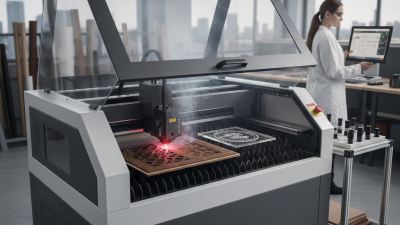
Diode laser stacks have a variety of applications across multiple industries. In manufacturing, they are used for precision cutting and welding. Their ability to maintain high power output while being energy efficient is vital for achieving high production rates. Some industries rely heavily on Laser Diode Bar Stack technology for these processes.
In medicine, diode laser stacks play a crucial role in surgical procedures. They offer precision and minimize damage to surrounding tissues. These lasers are also employed in cosmetic treatments, such as hair removal and skin resurfacing. Users appreciate the reduced recovery time.
**Tips:** Consider the cooling systems for diode stacks. Overheating can affect performance. Ensure that you have proper maintenance schedules in place. Additionally, always evaluate the safety protocols when using these lasers. Understanding your equipment is key to maximizing benefits.
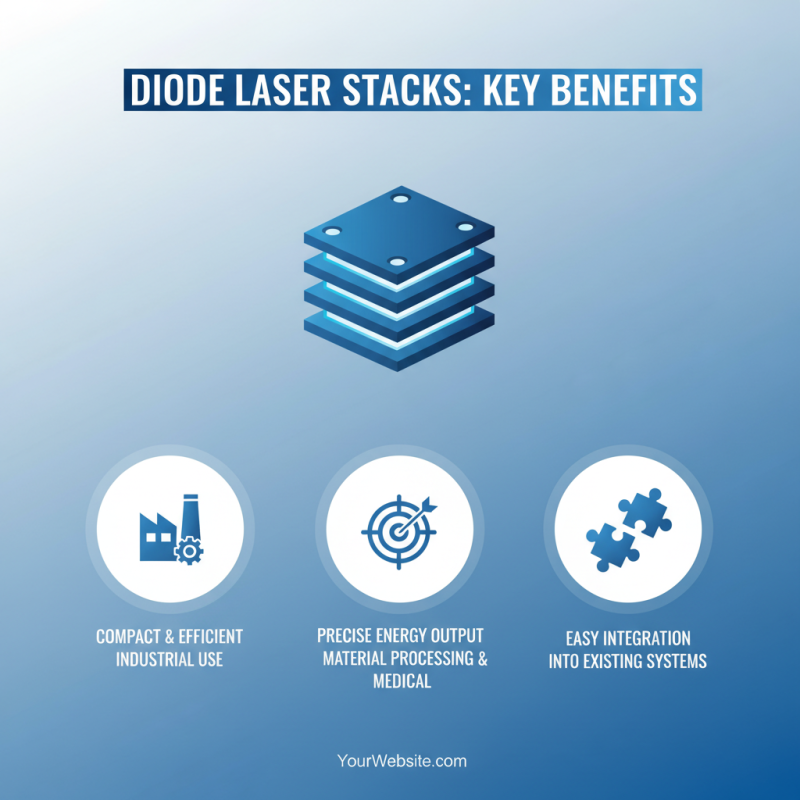
Diode laser stacks offer significant advantages for various applications. They are compact and highly efficient, making them ideal for industrial use. Users benefit from their ability to deliver precise energy output. This precision is crucial in fields like material processing and medical treatments. Their compact design allows for integration into existing systems without extensive modifications.
One notable advantage is the scalability of diode laser stacks. Users can easily adjust their configurations based on specific needs. This flexibility is vital, especially in fast-paced environments. However, some users may struggle with initial setup and calibration. It's important to invest time in understanding the system thoroughly.
Moreover, the longevity of diode lasers can reduce long-term costs. They generally have a lower failure rate compared to other laser types. This reliability means less downtime and more productivity. However, users should be aware of maintenance requirements to maximize performance. In countries like China, diode laser stacks are becoming increasingly popular for their benefits. Adapting to these systems can enhance efficiency in various industries.
Diode lasers have become a popular technology in various applications. When comparing diode laser stacks with other laser technologies, their advantages surface. Diode lasers typically offer higher efficiency rates. For instance, a study published by the Laser Institute highlights that diode lasers can achieve efficiencies of over 50%. This efficiency translates to lower operational costs over time, making them appealing for industries like telecommunications and material processing.
In contrast, fiber lasers have distinct benefits, including greater beam quality. They excel in cutting and welding applications. However, they don't match the compact nature of diode lasers. A research paper from the Photonics Society notes that diode laser stacks can be easily scaled for various power requirements. This adaptability allows for tailored solutions without compromising performance.
Yet, there are challenges. Diode lasers can suffer from thermal management issues. Proper cooling mechanisms are essential to maintain optimal performance. Additionally, while they provide a cost-effective solution, the initial investment can be a barrier for some users. In an industry report, it is observed that some users overlook the importance of application-specific requirements. This oversight can lead to suboptimal outcomes, suggesting room for improvement in understanding this technology.
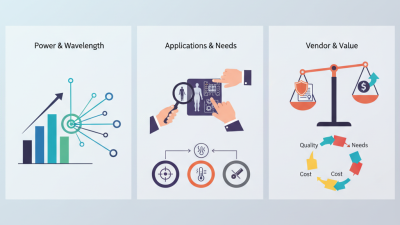
When selecting the right diode laser stack, several factors play a crucial role. Power output is essential. A higher output allows for deeper penetration in various applications. However, more power does not always equal better performance. Efficiency must be considered as well. Balance is key.
Cooling systems are another important consideration. A well-designed cooling mechanism ensures consistent performance. Heat management prolongs the lifespan of the laser stack. Choosing materials that enhance cooling can improve overall efficiency.
Tips: Always test different configurations before finalizing your setup. Consider the specific application requirements. Compatibility with existing systems is vital.
Pay attention to user feedback when selecting components. Small details can change the outcome. Each application may require unique adjustments. Ultimately, thorough research can lead to better results in laser stacking technology.
The evolution of OEM Diode Laser Stacks is setting the stage for exciting advancements. Increasing efficiency and compact designs are becoming a norm. Applications are broadening, spanning from materials processing to medical therapies. Users benefit from reduced energy costs and higher precision. Yet, there’s a constant challenge to balance performance and reliability.
Future trends indicate a push towards integration with smart technologies. This could revolutionize how industries utilize diode lasers. For instance, real-time monitoring and feedback systems may enhance output efficiency. However, user education remains crucial. Many users might lack knowledge of optimal application methods. This gap can lead to underwhelming results, despite having advanced technology in hand.
As diode laser stack technology progresses, sustainability also emerges as a focal point. Manufacturers are exploring eco-friendly materials and energy sources. Yet, ongoing research begs questions about the long-term environmental impact. Users must stay informed and adjust practices accordingly. Adaptation to these trends will shape the future landscape of diode laser applications.
| Application Area | Key Benefits | Future Trends |
|---|---|---|
| Material Processing | High precision cutting and engraving | Integration with AI for smarter processing |
| Medical Treatments | Minimally invasive procedures with faster recovery | Enhanced wavelength optimization for specific treatments |
| Communication Technology | High-speed data transmission capabilities | Development of next-generation fiber optic systems |
| Defense Applications | Increased accuracy in guided munitions | Advanced laser systems for military operations |
| Laser Spectroscopy | Highly accurate chemical analysis | Miniaturization of laser sources for portable devices |
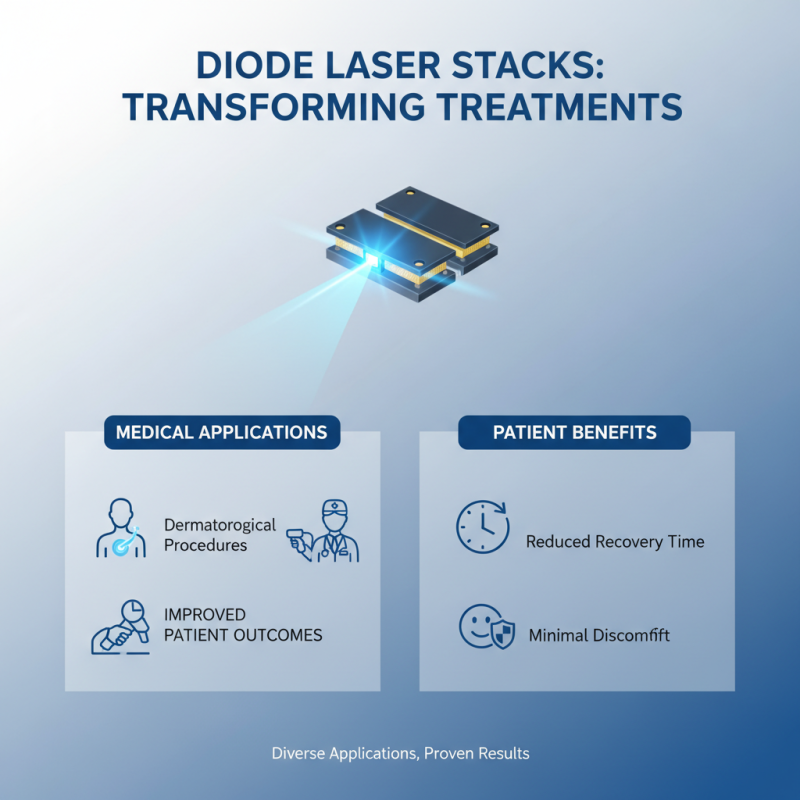
User testimonials reveal diverse applications for diode laser stacks. Many users highlight their effectiveness in medical treatments. One clinician shared how diode lasers improved patient outcomes during dermatological procedures. Reduced recovery time was a key benefit noted by patients. They appreciated the minimal discomfort compared to traditional methods.
In industrial settings, diode lasers enhance precision in cutting and engraving. A small business owner described their experience with increased efficiency and lower operational costs. However, he acknowledged the learning curve involved. Proper training is crucial for optimal results. Despite some initial challenges, the investment in diode laser technology has paid off over time. Users often find that adapting to this equipment requires patience and experimentation.
: Natural ingredients can improve skin health. They are less likely to cause irritation. Many people prefer them for safety.
Identify your skin type first. Look for products tailored to that type. Testing a small area is recommended.
Yes, but be cautious. Layering too many can lead to reactions. Start with a few and see how your skin reacts.
Generally, twice daily is advised. However, some products require less frequent use. Pay attention to how your skin feels.
Yes, daily sunscreen can protect against UV damage. It helps prevent premature aging. Even on cloudy days, apply it.
Stop using the product immediately. Rinse the area gently. If irritation persists, consult a dermatologist.
Look for changes in your skin over weeks. Improvements should be noticeable. Be patient; some results take time.
Not always. Many effective products are affordable. Ingredients matter more than the price tag. Research and read reviews.
Consider refillable packaging. Opt for products with eco-friendly ingredients. Small changes can make a difference.
Trust your instincts. A bad smell can indicate spoilage. It's safer to discard questionable products.
Diode Laser Stack technology has become an essential component in various industries due to its versatility and efficiency. This article provides an overview of the technology, highlighting key applications ranging from medical devices to industrial manufacturing. Users benefit significantly from the advantages offered by Diode Laser Stacks, including improved energy efficiency, compact size, and precise control.
In comparing Diode Laser Stacks with other laser technologies, it becomes clear that they offer unique benefits tailored to specific needs. The article also discusses considerations for selecting the appropriate Diode Laser Stack and outlines future trends in the development of this technology. User testimonials and case studies further illustrate the tangible benefits that Diode Laser Stacks bring to operations, showcasing their transformative impact across different sectors.